Wildlife: eyes, behavior, and room to move
Build animal photographs around attention, gesture, habitat, and a respectful working distance.
Build animal photographs around attention, gesture, habitat, and a respectful working distance.
Start with the eye
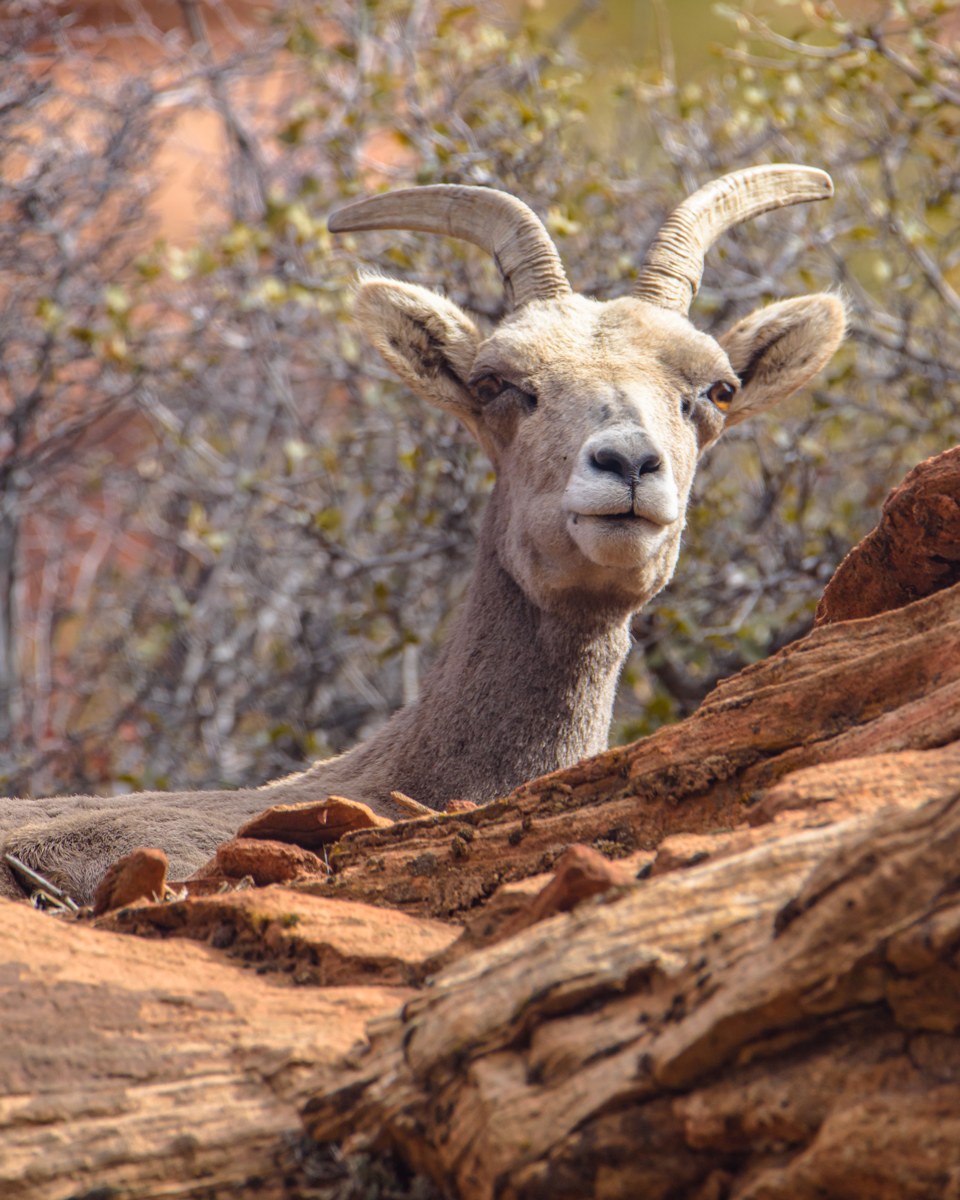
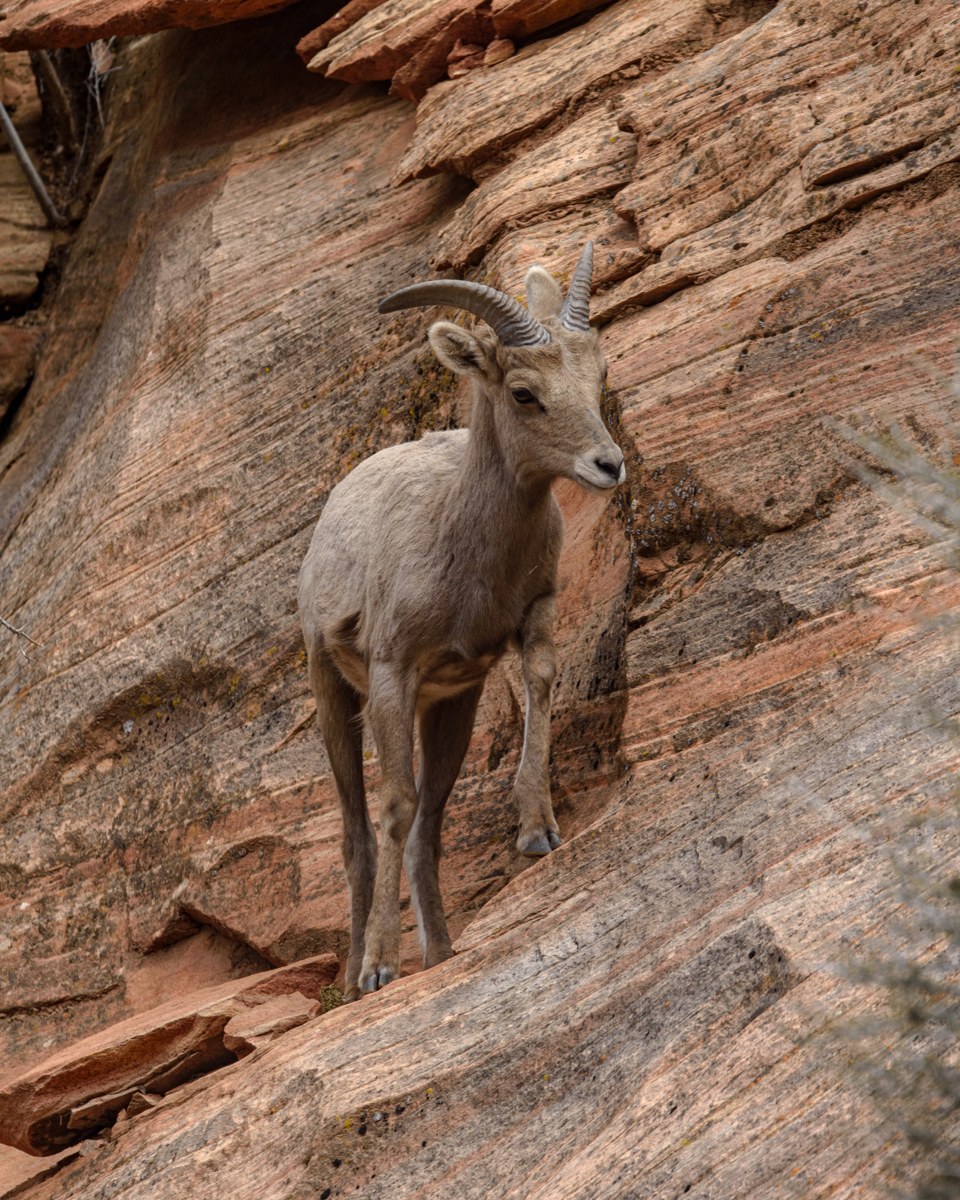
In the bighorn sheep portrait, the face is the natural place to look first. When an animal’s eye is visible and important to the picture, use it as your focus reference. With shallow depth of field, check the nearer eye rather than assuming the nose and face will both be sharp. Eye detection can help when available, but inspect the result. The aim is a clear point of attention, not simply maximum detail everywhere.
Keep the outline readable
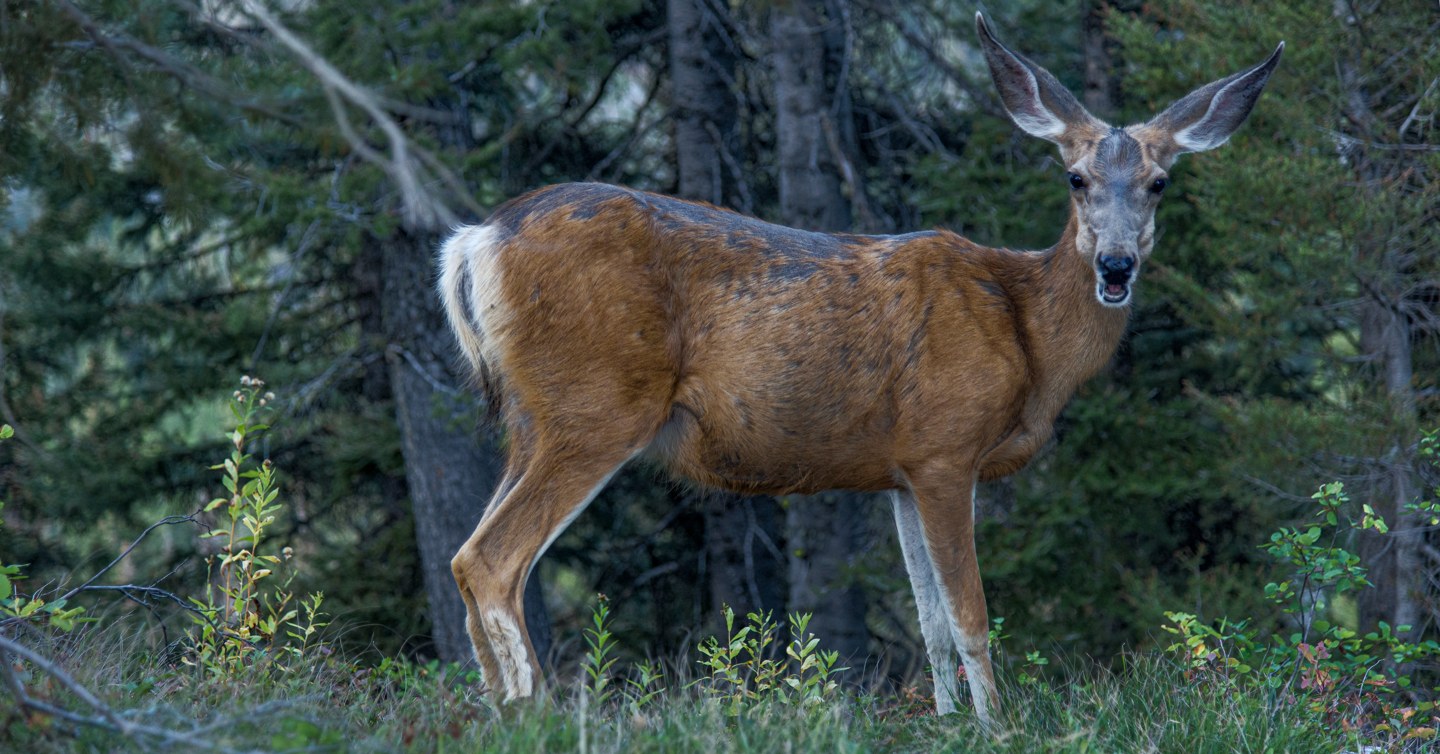
The deer at the forest edge is an environmental portrait: its surroundings are part of the photograph. Look for branches that appear to grow out of the head or cut across the eyes. A small, safe change in your own position may improve the background, but do not approach or disturb the animal to arrange the scene. Include the complete body when that shape matters, or crop deliberately rather than leaving an awkward cut at a joint.
Leave room for movement
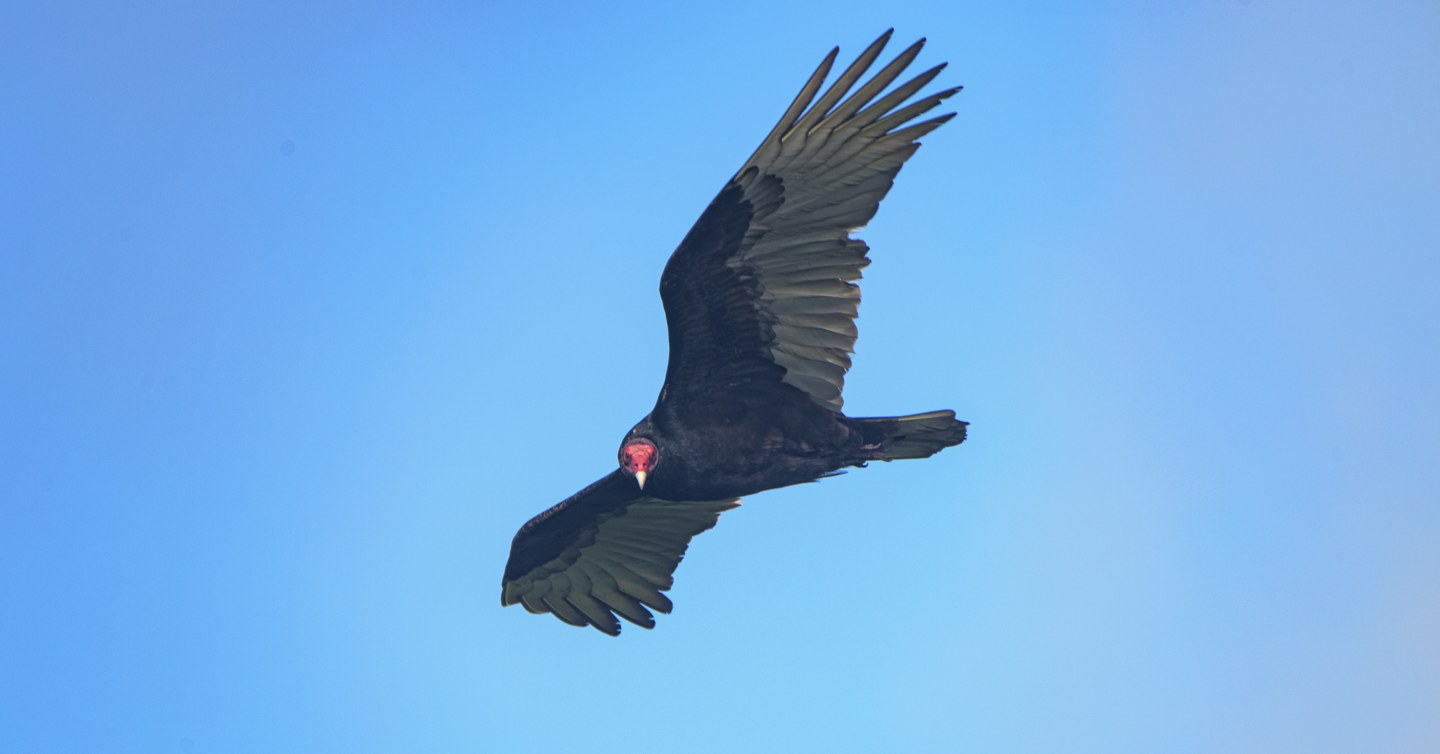
The flying vulture needs space around its wings and in the direction of travel. Continuous autofocus and a shutter time short enough for the movement can help, but settings must match the light and the subject. Follow the bird smoothly and review a short sequence for both focus and wing position. A technically sharp frame may still feel cramped if the wing touches the edge or the bird has nowhere to move within the composition.
Use habitat as part of the portrait
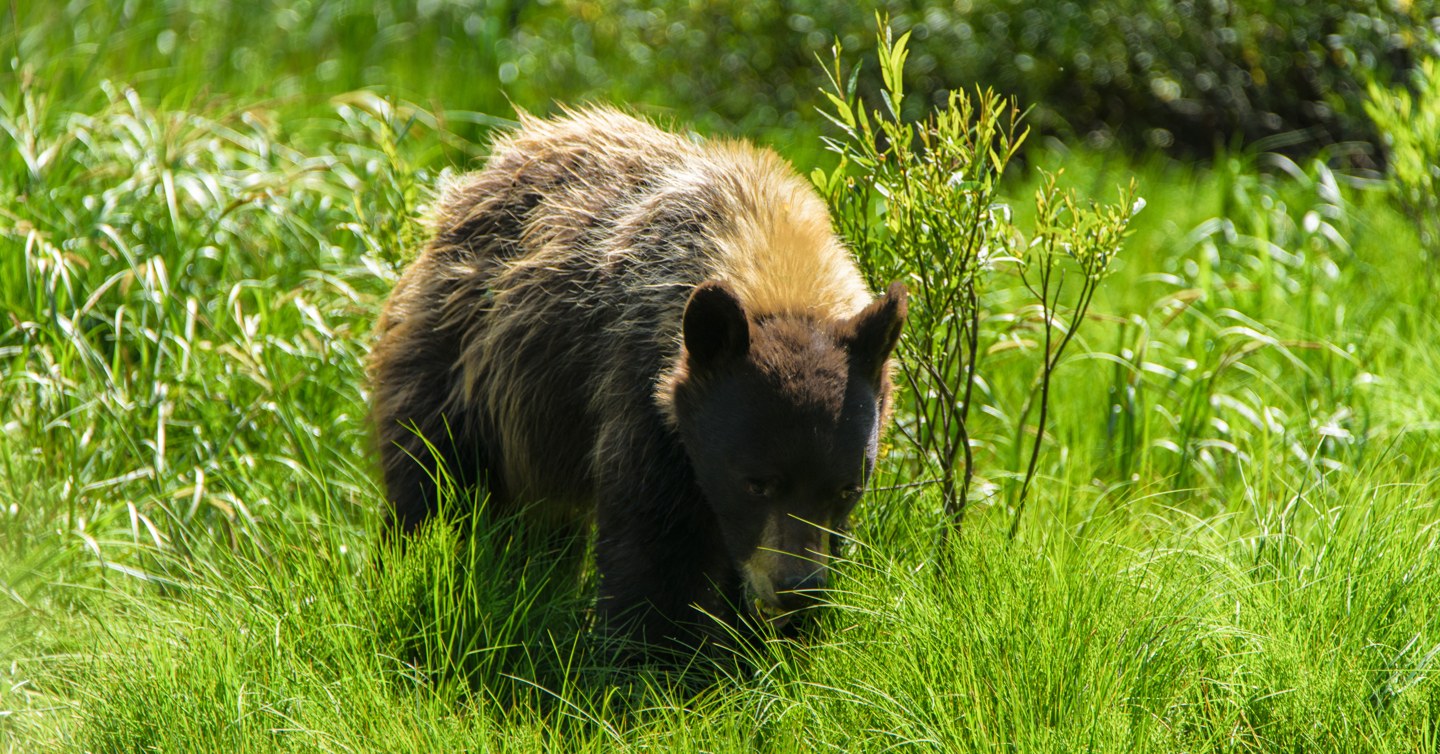
The bear among green grass offers a different balance from a tight face portrait. Color and vegetation help describe its setting. Pay attention to whether the animal separates clearly from the background without stripping away all context. Use a longer focal length or crop within the image’s quality limits when appropriate. Maintain the distance required for the species and location; a photograph is never a reason to make an animal change its behavior.
Wait for a gesture
The sheep on the rock face gives the image a sense of action through its stance and terrain. Look for a step, a turned head, or a pause that explains what the animal is doing. Capture a brief sequence when the gesture develops, then choose a distinct frame. Do not treat dozens of nearly identical photographs as a stronger story. The most useful moment is often the one in which the pose is easiest to read.
Watch the background as carefully as the animal
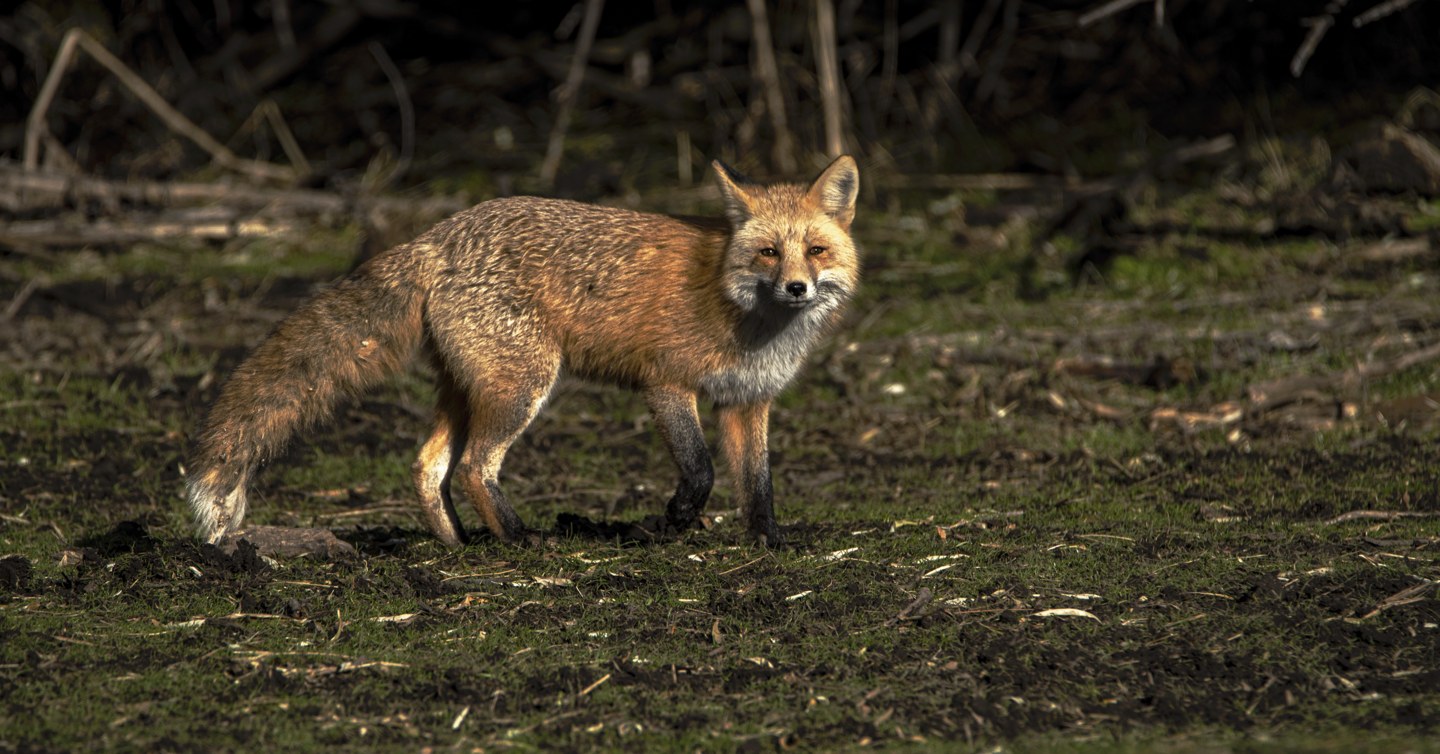
In the fox photograph, the branches and ground have almost as much detail as the animal. Before taking the picture, notice where the face falls against those patterns. During selection, compare frames for eye visibility and separation from twigs. In editing, restrained tonal adjustments can direct attention, but heavy blur or excessive sharpening will not fix a poorly placed branch. Preserve the believable relationship between the animal and its surroundings.
Let a small subject occupy a small world
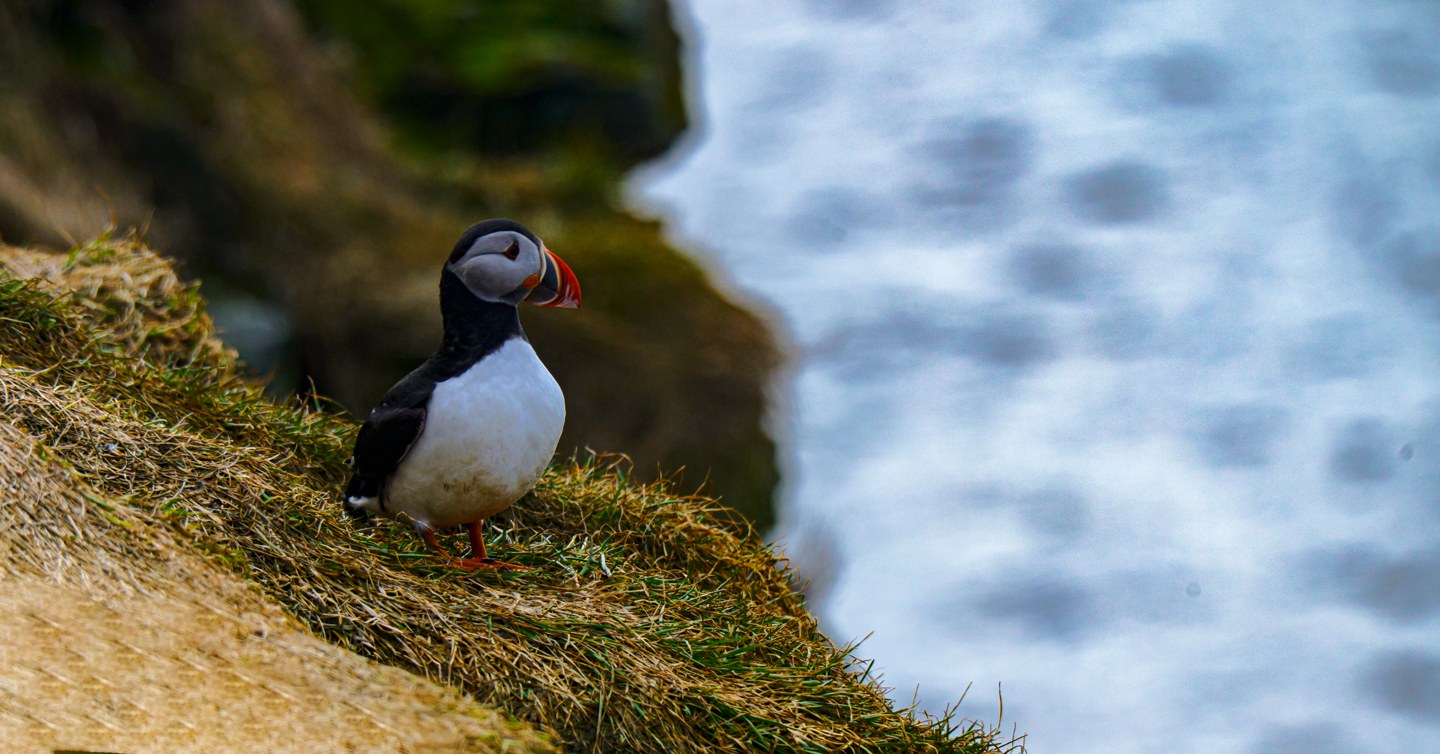
The puffin photograph combines a compact subject with grass and a softer coastal background. A close crop is one option, but including a little habitat can explain more about the encounter. Check the eye, bill, and bright plumage rather than judging sharpness only at the center of the frame. Photograph nesting birds from permitted viewpoints and keep disturbance low. The setting should add context without overwhelming the subject.
Practice: one portrait, one behavior, one habitat
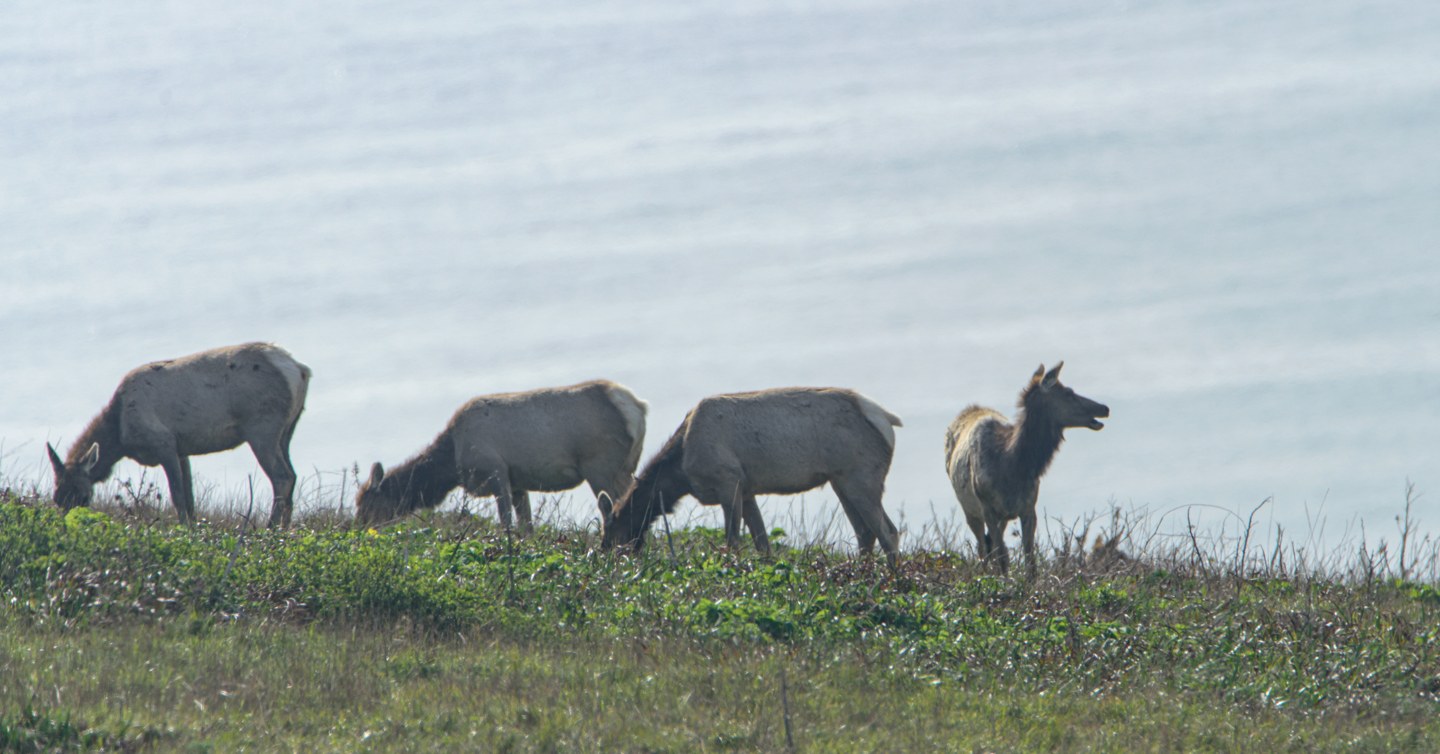
The group on the ridge introduces another challenge: spacing between animals. Watch for overlapping heads and bodies that become difficult to distinguish. For a small wildlife story, choose a portrait, a behavior frame, and an environmental view, using different encounters if needed. Compare what each contributes. This exercise builds a varied selection while encouraging patient observation rather than getting closer for every photograph.